With almost 15 years of experience organising tours in Estonia, the guides at Prangli Travel have heard thousands of curious questions from travellers. Over the years, we have collected the questions visitors ask most often about Estonia.
Here are some of the most frequently asked questions we hear during tours — for curious travellers who want to know more about Estonia even before their tour begins.
What is the temperature like in Estonia?
The temperature in Estonia varies significantly throughout the year.
The coldest temperature ever recorded in Estonia was −43.5 °C in 1940, while the hottest temperature reached +35.6 °C in 1992. In typical conditions, summer temperatures are around +20 °C to +25 °C, while winter temperatures often drop to around −5 °C to −10 °C.
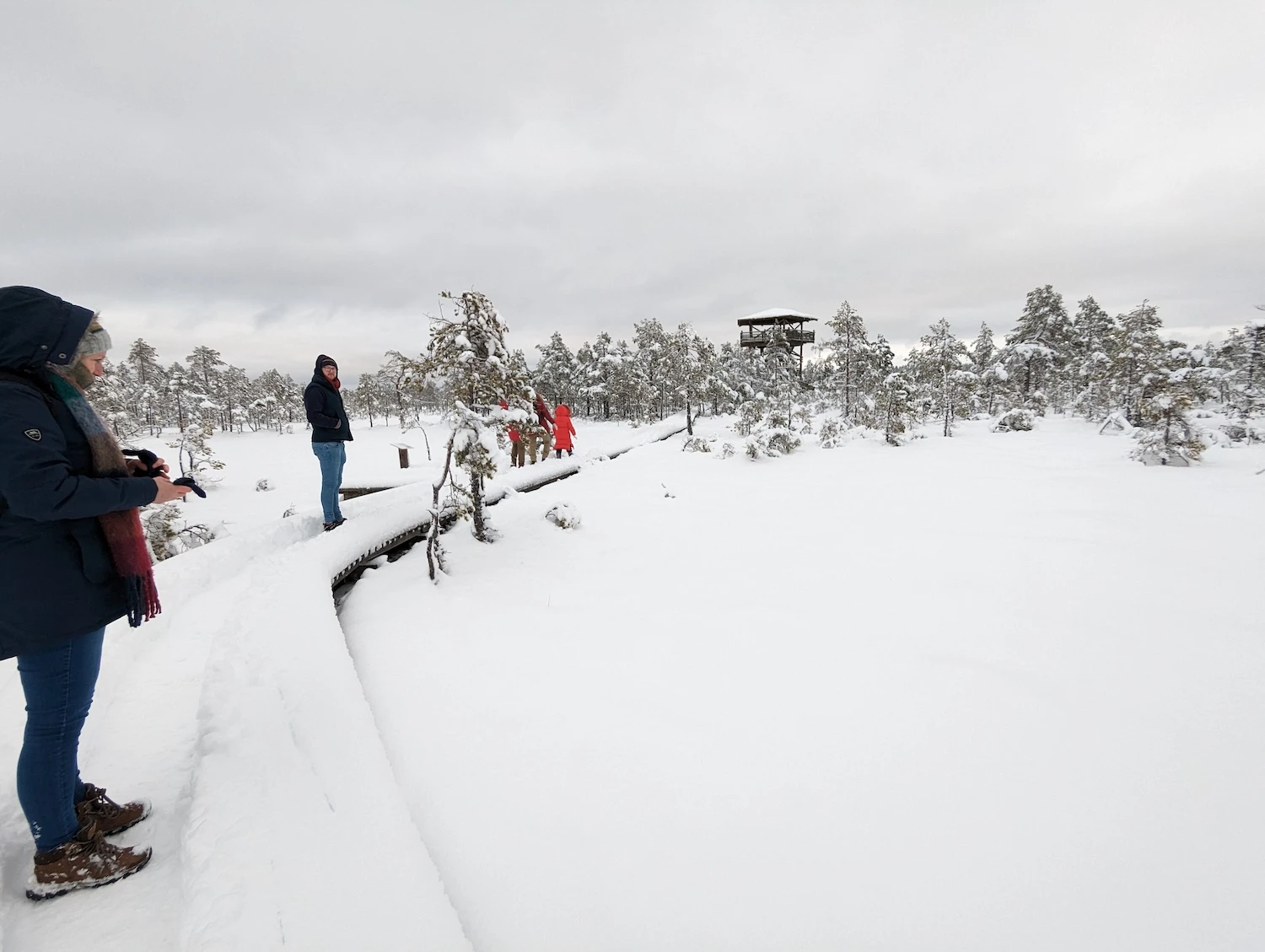
Traditionally, Estonia had snowy winters from December to February, although recent years have been milder due to climate change. Weather conditions can vary each year, so it is always wise to check the forecast before travelling.
What language do people speak in Estonia?
The official language is Estonian.
Despite our geographical proximity to Russia, Estonian is not related to Russian. It belongs to the Finno-Ugric language family and is related to Finnish and Hungarian.
While Estonians can usually understand some Finnish words, meaningful conversations between Finns and Estonians normally require switching to English or another shared language.
Other languages in the same language family are spoken by small minority groups in Russia, including Mari, Komi and others. Unfortunately, many of these languages are slowly disappearing due to strong historical pressure for Russification.
What are the must-do things in Estonia?
For a truly authentic Estonian experience, you should:
- Try traditional dark rye bread and the dessert kama
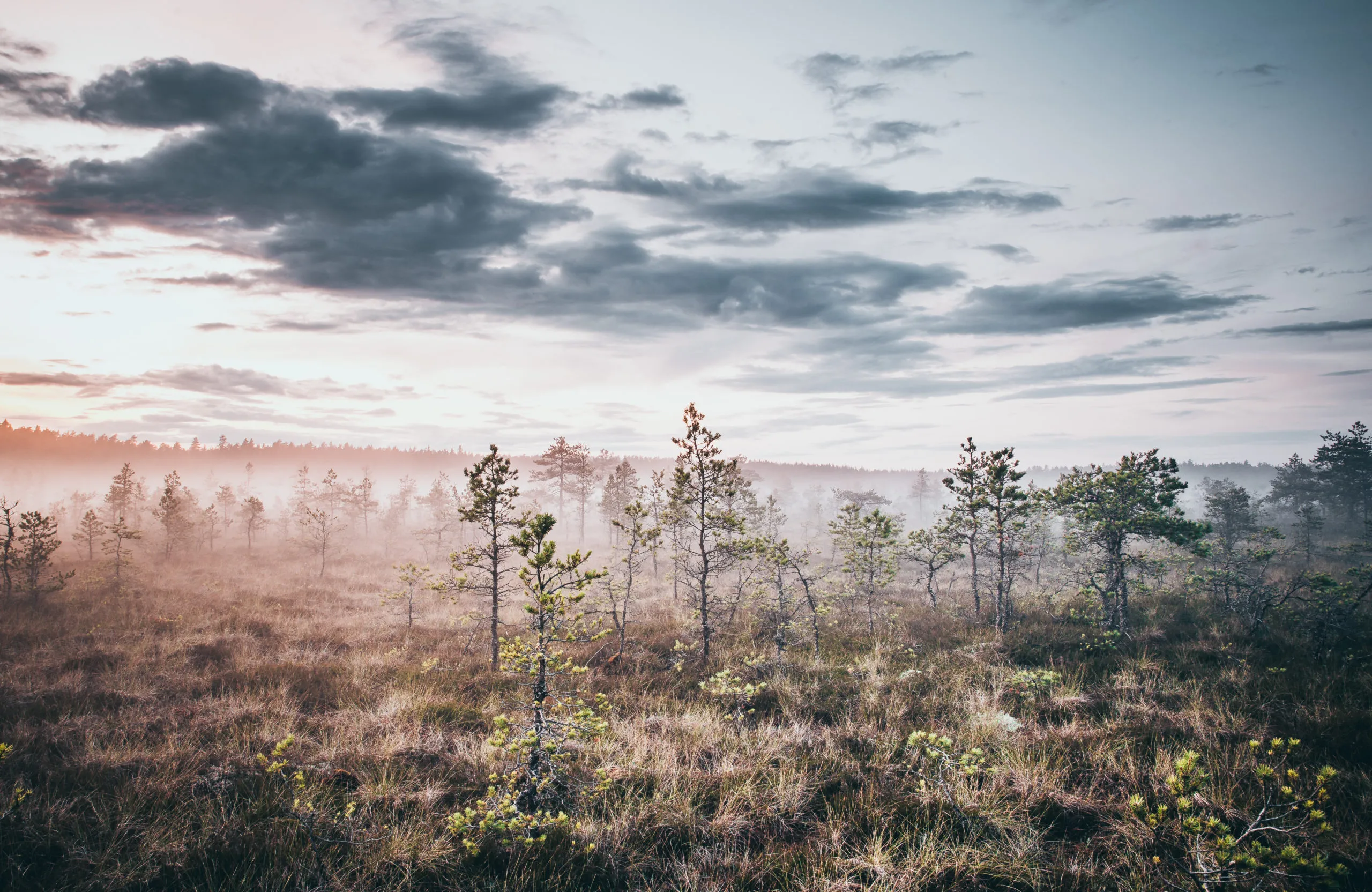
- Leave Tallinn for a bog walk in nature
- Experience a traditional Estonian sauna
These activities reflect some of the most important elements of local culture — food, nature and simple traditions.
How can you get outside Tallinn?
Although Tallinn, with its medieval Old Town and lively neighbourhoods, is already a fascinating destination, Estonia’s true beauty often reveals itself outside the capital.
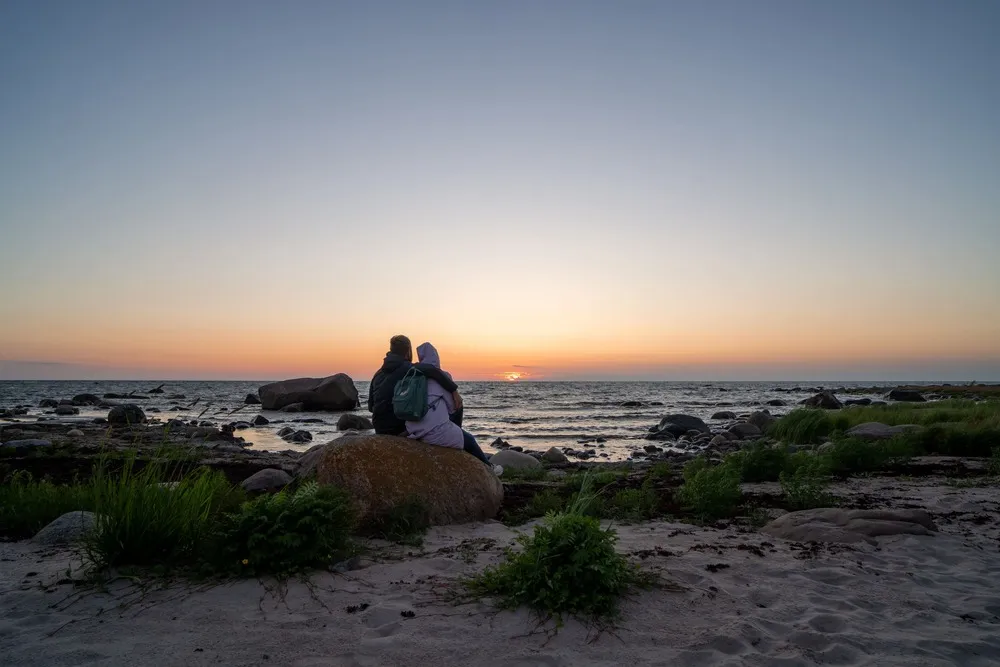
More than half of Estonia is covered with forests, and the country offers countless hiking trails, bog landscapes, and coastal views. Even near Tallinn you can find beautiful waterfalls and quiet beaches.
Travellers can reach places such as Keila-Joa or Aegviidu by public transport, rent a car, or join a guided day tour.
If you prefer a stress-free experience without worrying about routes or logistics, joining a day tour with a local guide is one of the easiest ways to discover the most interesting places outside the city.
How many Russians live in Estonia?
Estonia was part of the Soviet Union from the 1940s until 1991. During that time, many people from other parts of the Soviet Union moved here to work in newly established industries.
Today, Estonia has a Russian-speaking minority that makes up roughly 25 % of the population.
In modern Estonia, Russian-speaking communities are generally well integrated, although some challenges remain. For example, there are still separate Russian-language schools and some regions — particularly in eastern Estonia — where Russian is more commonly spoken.
How are relations between Estonia and Russia?
Some travellers view Estonia as an Eastern European destination because of its Soviet past and its position on the border between the European Union and Russia.
Despite this history, everyday life in Estonia is calm and stable. People are not storing emergency supplies or expecting military tanks to appear on the streets.
Russia still plays an important role in Estonia’s international politics, but Estonia is also a member of NATO and the European Union, which provides strong international partnerships and security.
It is also important to separate Russian politics from Russian culture. Many Estonians admire Russian literature, music, and art, including works by Pushkin, Chekhov, Tchaikovsky, and Stravinsky.
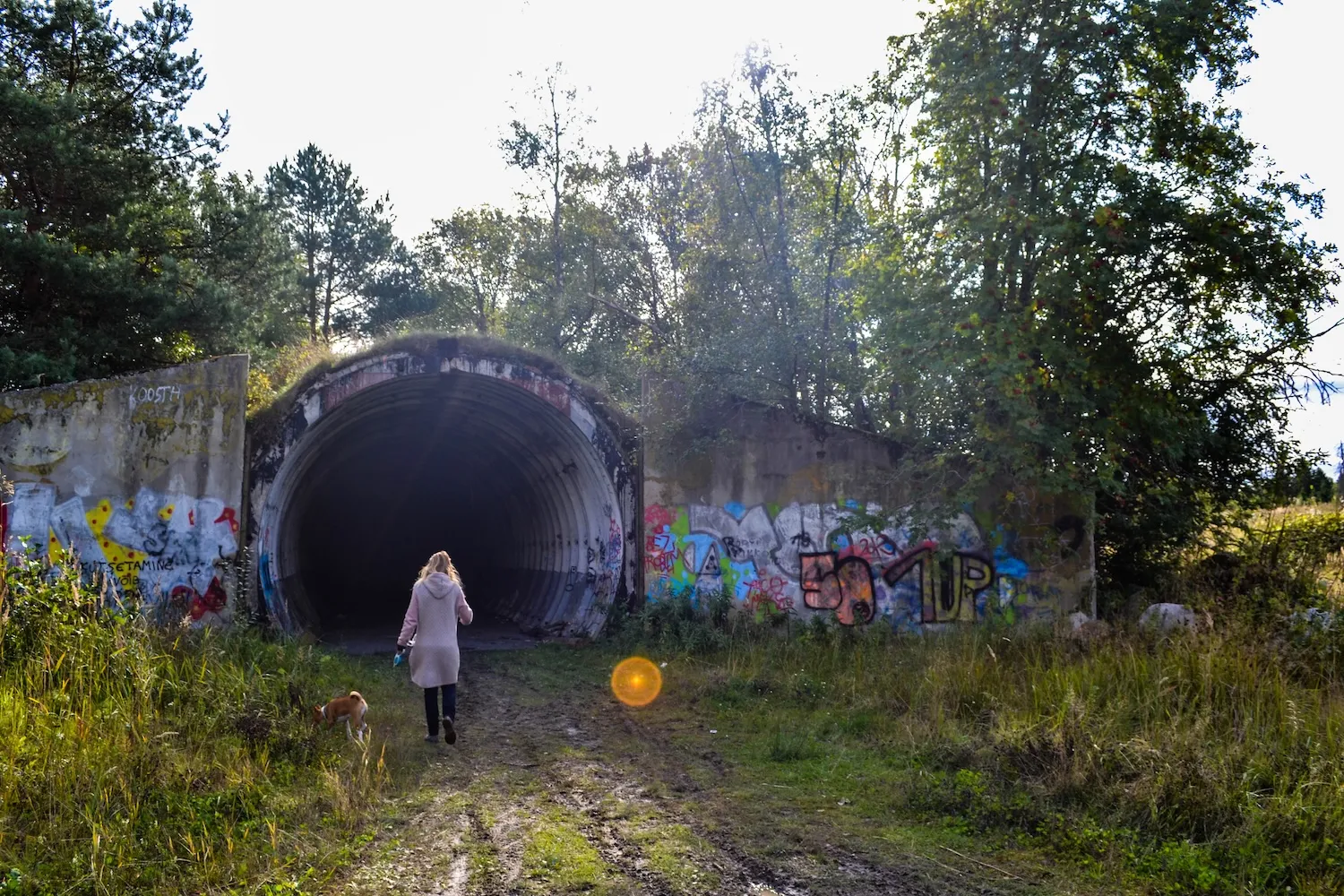
You can learn more about the Soviet period in Estonia on the Secrets of Soviet Tour in Tallinn.
Is tap water safe to drink in Estonia?
Yes. Tap water in Estonia is safe to drink, and the water quality is generally very good.
Do you use euros in Estonia?
Yes, Estonia adopted the euro in 2011.
Before that, Estonia used its former currency, the Estonian kroon, which translates to “crown”, even though Estonia has never had its own monarchy.
The exchange rate was 1 € = 15.6466 kroons. Many locals still remember the kroon, though most no longer convert prices mentally to the old currency.
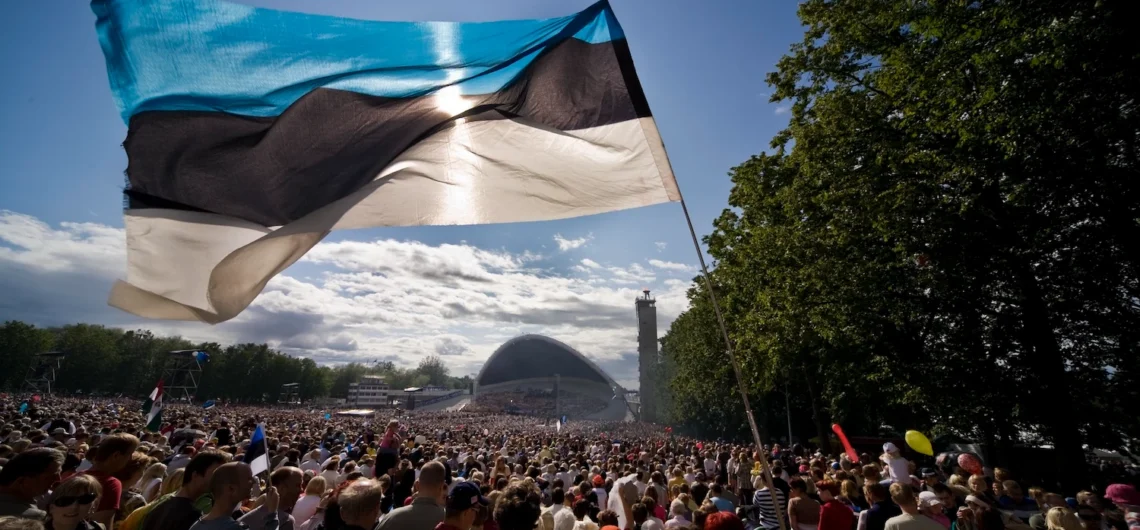
What do the colours of the Estonian flag represent?
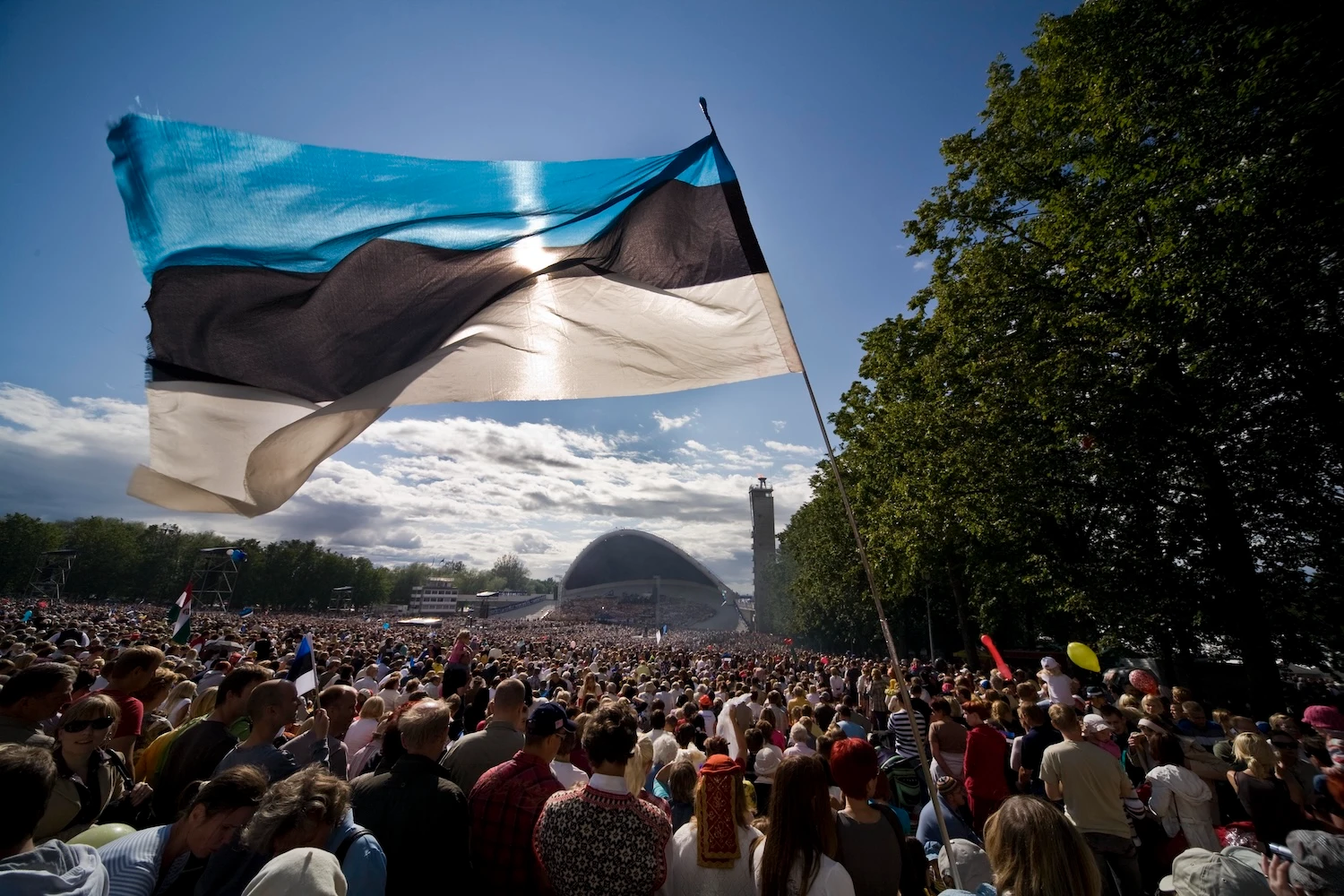
The Estonian flag consists of blue, black, and white.
- Blue represents the sky and the sea
- Black symbolises the soil and the difficult periods of Estonian history
- White represents hope, light, and the future
Many locals also jokingly say that white simply represents the snow.
Why is Estonia a country?
Some travellers are surprised that a country with only 1.3 million people is independent.
The main reason is Estonia’s unique language and culture, which clearly distinguish Estonians from neighbouring nations.
Estonians have historically valued independence and the ability to preserve their language and traditions. Independence, therefore, remains an important part of national identity.
What is typical Estonian food?
One of the most characteristic foods in Estonia is dark rye bread, which many locals eat daily. Some families and restaurants still bake their own bread.
Another traditional dish is kama, a dessert made from roasted flour mixtures of barley, rye, oats, and peas. Traditionally, it was mixed with sour milk and served with jam. Today it is often served with ice cream, whipped cream, or berries.
Estonian cuisine is strongly influenced by local ingredients — vegetables from gardens, fish from the Baltic Sea and rivers, mushrooms from forests, and locally produced meat.
When visiting restaurants, it is always worth asking the staff which dishes are most typical of Estonia.
What do Estonians do during the winter?
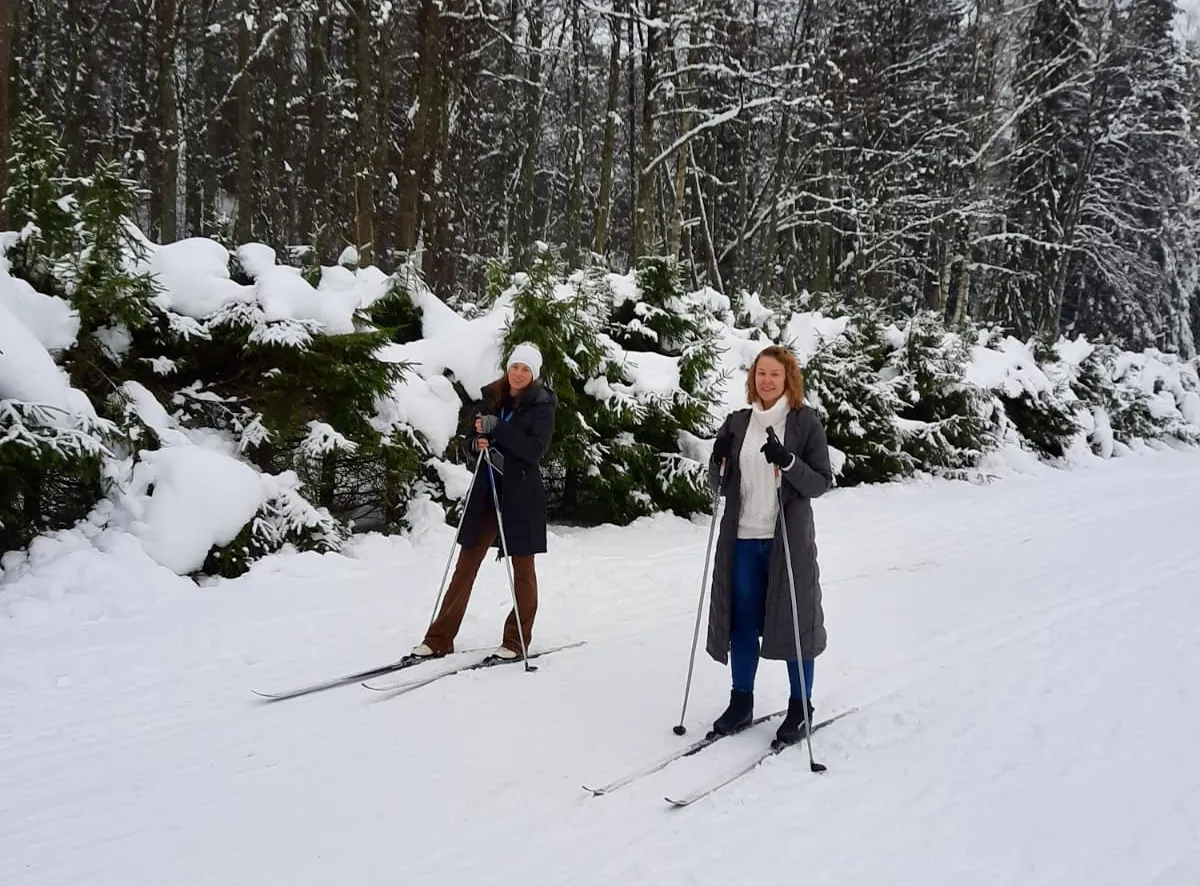
If winter brings snow and temperatures below zero, many Estonians enjoy the season.
Popular winter activities include:
- cross-country skiing
- sledding
- building snowmen
- snowball fights
Infrastructure is well-adapted to winter conditions. Cars use winter tires, roads are regularly cleared from snow, and daily life continues normally. Children usually get days off from school only when temperatures drop below −20 °C.
You can read more in our blog post 7 Fun Winter Activities in Tallinn and Estonia.
How many universities are there in Estonia?
There are six universities in Estonia.
The largest and oldest is the University of Tartu, founded in 1632 and well known for its research in science and medicine.
Public universities are state-funded, meaning higher education is free for many local students. In recent years, universities have also introduced more study programmes in English.
Are there any famous Estonians?
One of the earliest most well-known global products created by Estonians was Skype, originally developed by Estonian engineers before being sold internationally. Now people know Wise, Bolt, and Pipedrive.
Estonia is also known for having one of the highest numbers of fashion models per capita.
Perhaps the most internationally recognised Estonian cultural figure is Arvo Pärt, a contemporary classical composer whose music is performed by orchestras around the world. He lives in Laulasmaa, where the Arvo Pärt Centre is also located.
Still curious about Estonia?
Hopefully, this FAQ answered some of your questions about Estonia.
If you would like to learn more, the best way is to explore the country with a local guide who can answer all your questions along the way.
You can experience Estonian nature on the Estonia’s Bogs and Sauna Tour or visit Prangli Island near Tallinn to discover its unique landscapes and island culture.