
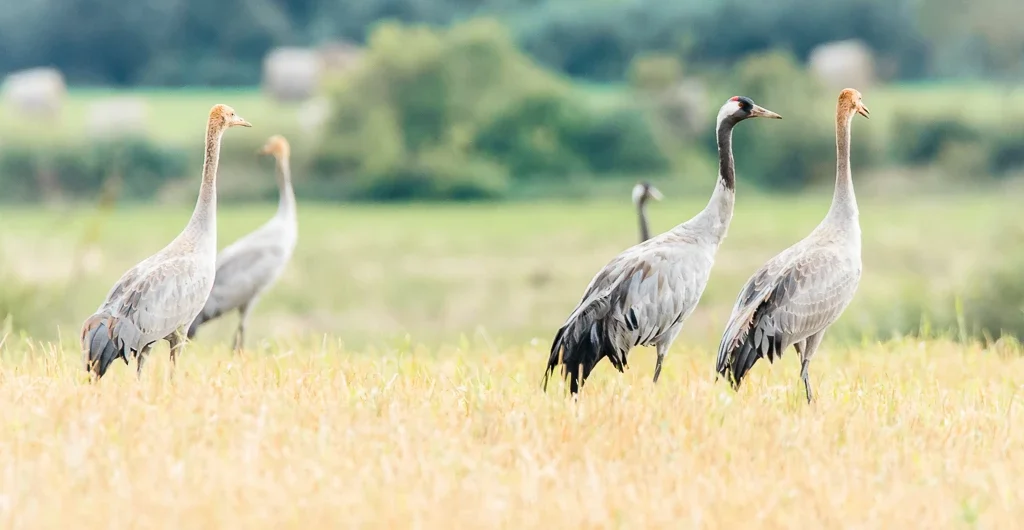
Läänemaa in West Estonia is one of the best regions in Northern Europe for watching bird migration, and its main birdwatching sites are within about 1.5-2 hours’ drive from Tallinn. Five places stand out: Haeska tower in Matsalu National Park, Põgari-Sassi meadow and the Puise peninsula, Väike Viik lagoon in Haapsalu, the Sutlepa Sea in Silma Nature Reserve, and Põõsaspea cape. May has the widest variety of species, while September and October bring the largest flocks of sea ducks and divers along the coast.
| Place | Best time | Birds to look for |
|---|---|---|
| Haeska tower, Matsalu National Park | Spring and autumn migration | Geese, swans, waders, White-tailed Eagle |
| Põgari-Sassi and Puise peninsula | May | Waders, Pied Avocet, sea ducks |
| Väike Viik, Haapsalu | Spring and summer | Grebes, Greylag Goose, Bearded Tit |
| Sutlepa Sea, Silma Nature Reserve | Spring and summer | Ducks, Marsh Harrier, Corncrake |
| Põõsaspea cape | September-October | Long-tailed Duck, scoters, divers |
Why is Läänemaa one of the best places for birdwatching in Estonia?
During spring and autumn migration, tens of thousands of birds can pass along the coasts of West and North Estonia each day. Läänemaa combines coastal meadows, shallow bays, mudflats, reedbeds and open sea within a short distance of each other. Each habitat attracts a different group of birds, so you can see a long list of species in one day. The numbers depend on the season, the weather and the wind direction, which is why no two days look the same. Bird populations and migration in Estonia are monitored by the Estonian Ornithological Society, the national partner of BirdLife International.
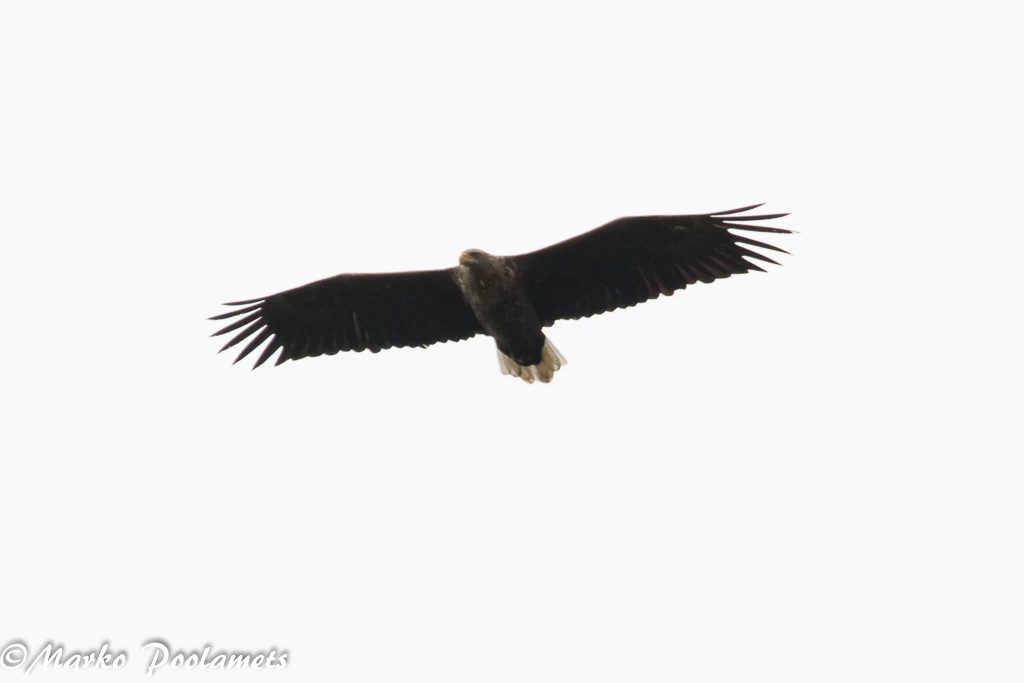
1. Haeska birdwatching tower in Matsalu National Park
Haeska tower stands on the northern shore of Matsalu Bay, about 1.5 hours’ drive from Tallinn, and is one of the best-known birdwatching points in Estonia. During the spring census in 1997, birdwatchers counted 128 species from this tower in one day, a European one-day record. In May 2025, 112 species were counted at Haeska within 24 hours. The coastal meadows, shallow bay and reedbeds around the tower are used by both nesting and migrating birds. Large flocks of Greater White-fronted Geese and Barnacle Geese often rest here, while Lapwings, Redshanks and Meadow Pipits nest in the meadows. Depending on the day, you may also see all three of Estonia’s swan species (Mute, Whooper and Bewick’s Swan), several tern species and White-tailed Eagles over the bay.
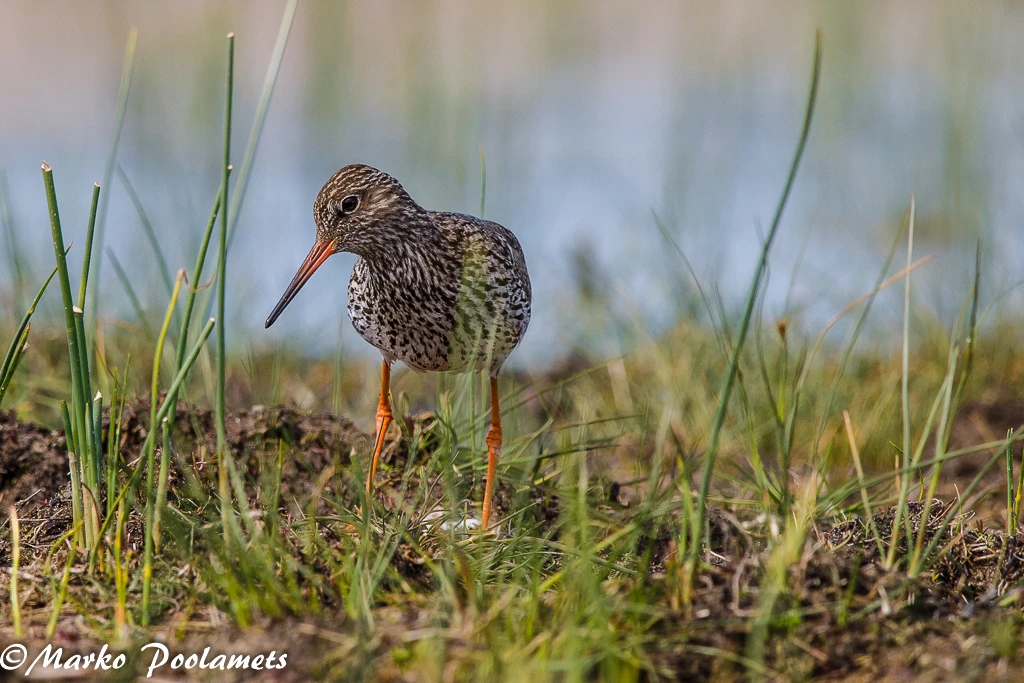
2. Põgari-Sassi meadow and the Puise peninsula
Põgari-Sassi is a maintained coastal meadow on the road to the Puise peninsula and one of the best places in Läänemaa for waders. Lapwings, Redshanks, Greenshanks, Ruffs, Curlews, Whimbrels, Bar-tailed and Black-tailed Godwits and Golden Plovers feed on the meadows and mudflats. The Pied Avocet is one of the species birdwatchers come here to look for. Further along the Puise peninsula, junipers and alder thickets hide smaller songbirds such as Willow Warblers, tits, Robins and Yellowhammers. Out at sea, Long-tailed Ducks, Common Eiders and Greater Scaup can be seen, depending on the season.
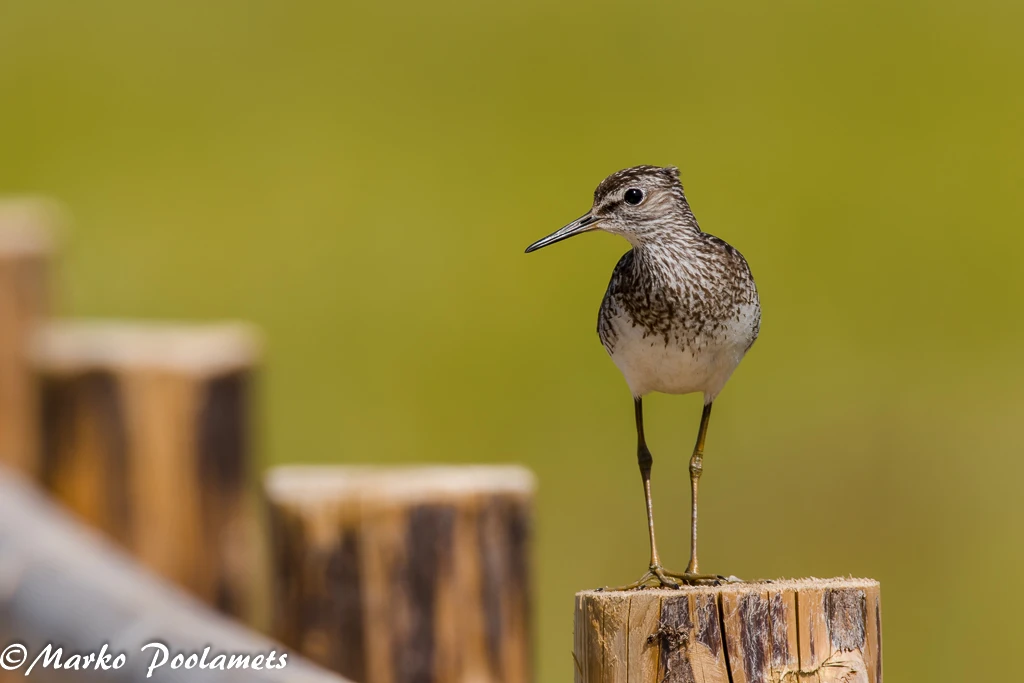
3. Väike Viik lagoon in Haapsalu
Haapsalu is a small seaside town whose sheltered bays are used by birds for nesting and resting. Great Crested and Slavonian Grebes and Greylag Geese nest at Väike Viik, a shallow lagoon in the town, alongside Tufted Ducks, Coots and Goldeneyes. From the observation tower you can watch White-tailed Eagles and Marsh Harriers hunting over the bay. The reedbeds are home to Bearded Tits, Reed Buntings, reed warblers and Water Rails, which are more often heard than seen. Birds are usually less active around midday, which makes Haapsalu, with its cafes and seaside promenade, a practical place for a break.
4. Sutlepa Sea in Silma Nature Reserve
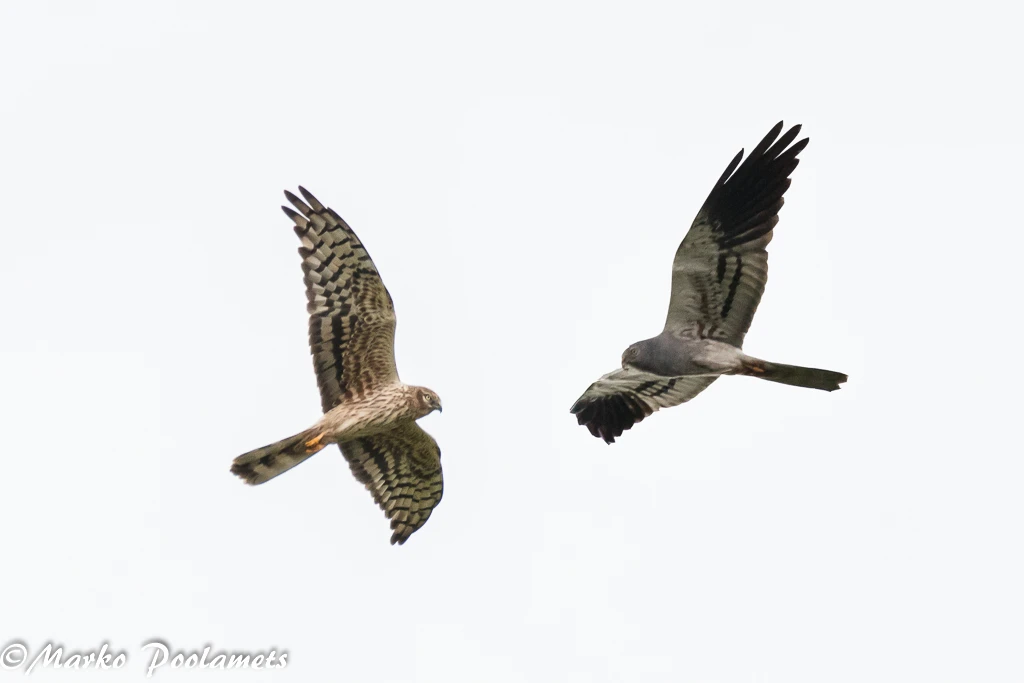
The Sutlepa Sea near Saare (Lyckholm) village is a former bay that has become a coastal lake as the land has slowly risen out of the Baltic Sea. It is part of Silma Nature Reserve, north of Haapsalu. Wigeons, Teals, Common Pochards, Tufted Ducks, Smews and other mergansers, geese and swans gather on the water. In the reedbeds it is possible to see Marsh Harriers and hear Water Rails, Spotted Crakes and, with some luck, a Eurasian Bittern. Corncrakes can be heard in the nearby meadows.
5. Põõsaspea cape
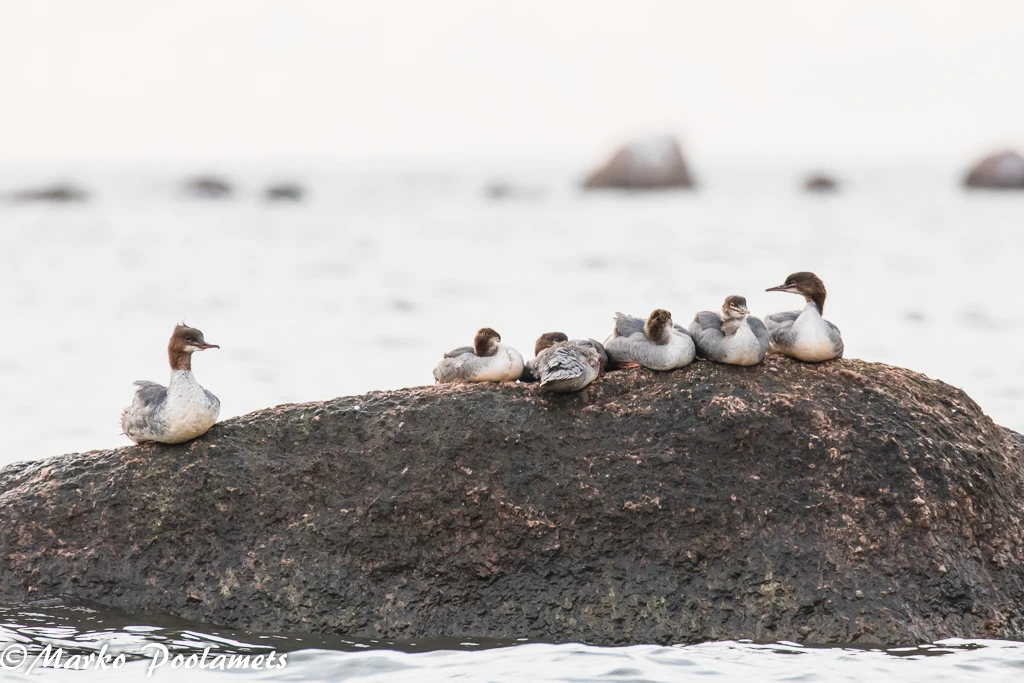
Põõsaspea is the northwesternmost cape of mainland Estonia and one of the best-known migration watch points in the country. Unlike the other sites, most birds here are on the move, flying along the coast instead of resting. Flocks of Long-tailed Ducks, Velvet and Common Scoters, Common Eiders and Black-throated and Red-throated Divers pass close to the shore. On some autumn days the passage of birds over the sea continues for hours. Rarer seabirds such as Steller’s Eider or Yellow-billed Diver appear occasionally, and White-tailed Eagles are seen regularly. Seabirds and seals can also be watched from the water on our wildlife and seal watching tour by sea-safari boat.
When is the best time for birdwatching in Estonia?
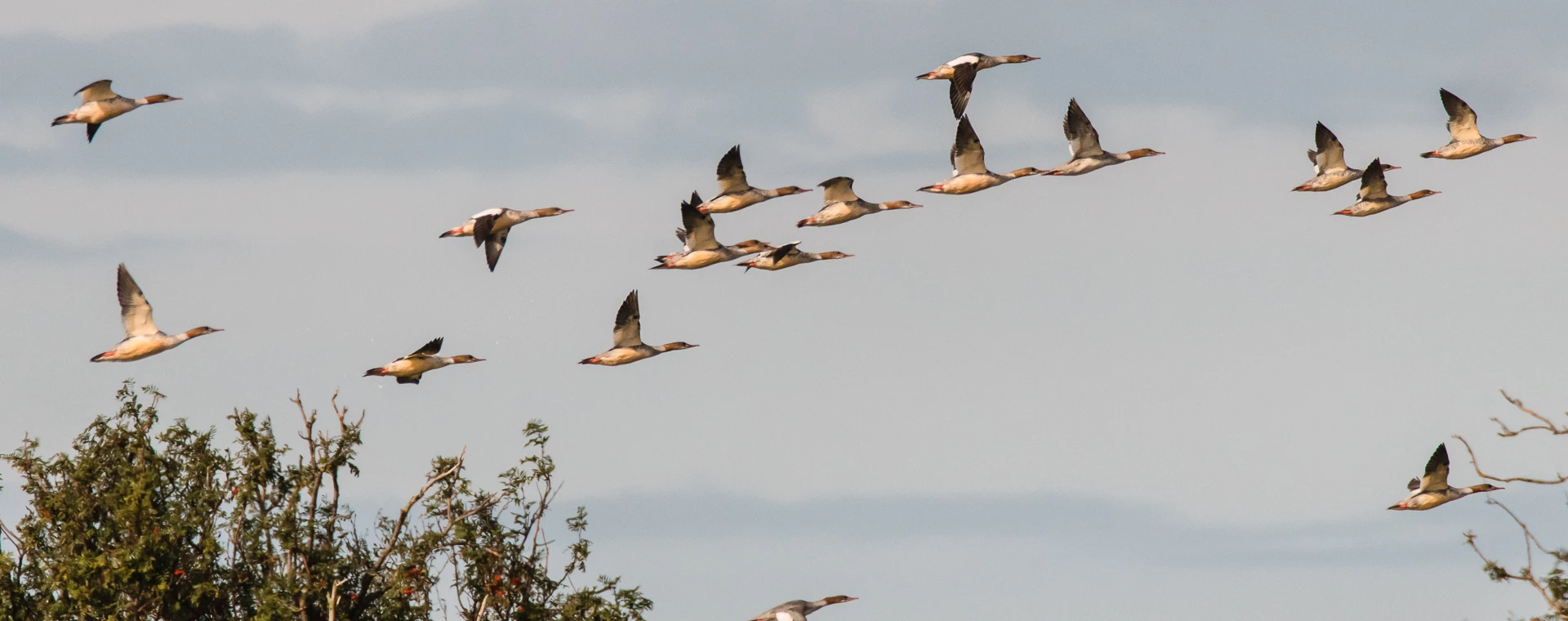
May is the best month for birdwatching in Läänemaa. Most nesting birds have arrived by then, while migrants heading further north are still passing through, so both groups can be seen at the same time. Autumn migration in September and October is strongest at Põõsaspea, where sea ducks and divers move along the coast in large numbers. In summer and winter the coast is quieter, with fewer species on the move. Wind direction and weather have a big effect on migration, so the same place can look very different from one day to the next. For more ideas by season, see our guides to things to do in Estonia in spring and things to do in Estonia in autumn.
Where to stay for a longer birdwatching trip?
Staying overnight in Läänemaa adds birds that are hard to see on a day trip. In the evening, the forests are a place to listen for owls and Nightjars, and in the early morning it is possible to look for Black Grouse and Capercaillie before the dawn chorus. Haapsalu, the Matsalu area and Roosta holiday village are convenient bases for one or two nights.
What to bring for birdwatching in Estonia?
Binoculars make the biggest difference, as many birds on the coastal meadows and at sea are seen from a distance. Coastal sites are often windy and cool, even in May, so warm layers and a hat are useful. Waterproof shoes help on the wet coastal meadows and around the reedbeds. Our article on the weather in Estonia explains what to expect in each season.
Birdwatching on Prangli island
Birdwatching is also possible on Prangli island, north-east of Tallinn, where coastal meadows, juniper heaths and the open sea attract both nesting and migrating birds. Read more in our article about birdwatching on Prangli island. The island can also be visited on our Prangli Island day trip from Tallinn.
Birdwatching day trip from Tallinn
If you would like to visit these places in one day from Tallinn, we can arrange a private birdwatching trip through our tailor-made tours in Estonia. Availability depends on the schedule of our birdwatching guide, and when you send a request, we will also tell you honestly whether your dates are a good time for birdwatching.
Läänemaa gives a good overview of West Estonia’s coastal habitats, from meadows and mudflats to reedbeds and the open sea. The birds change with the season and the weather, so each visit is a little different.
