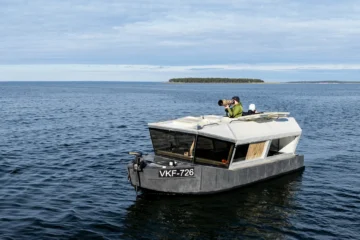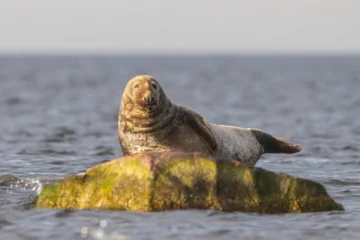
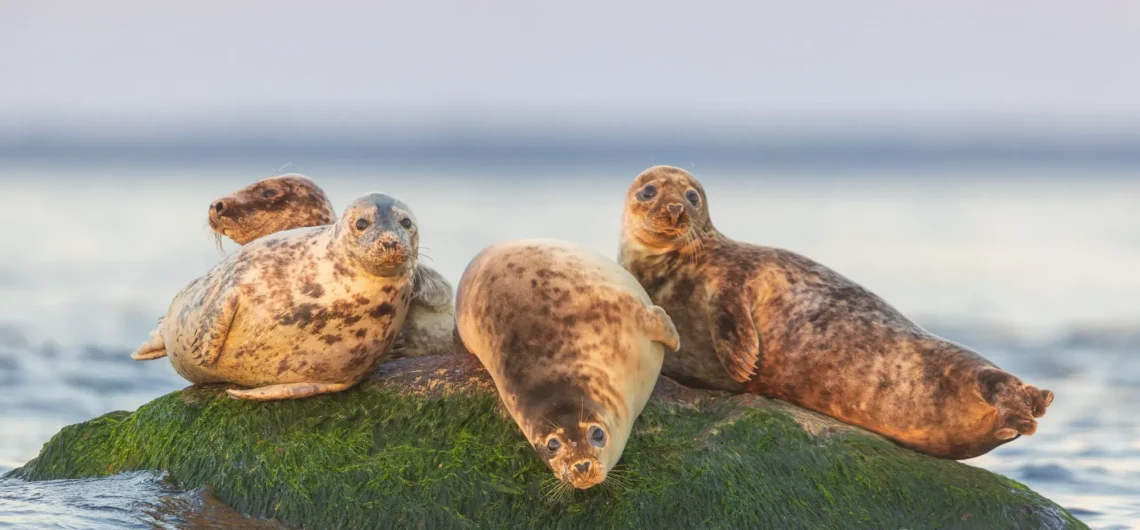
Going on a seal-watching trip is a fun, engaging, and genuinely unusual thing to do in Estonia. We head out to visit the seals in their natural habitat every Sunday from July to September, and private trips can be arranged from April to October. Since we love seals and their playful character, we would like to share a few facts about them that might surprise you.
11 facts about the Baltic Sea seals you probably did not know
1. How many species of seals live in the Baltic Sea?
There are three species of seals in the Baltic Sea: the grey seal, the ringed seal, and the harbour seal. While the grey seal is quite happy everywhere in the Baltic Sea, the ringed seal prefers the northern areas, unlike the harbour seal. It is rare to see a harbour seal in Estonian waters, whereas the grey seal is commonly spotted. On our seal-watching trips in North Estonia, we visit the grey seals in their natural habitat.
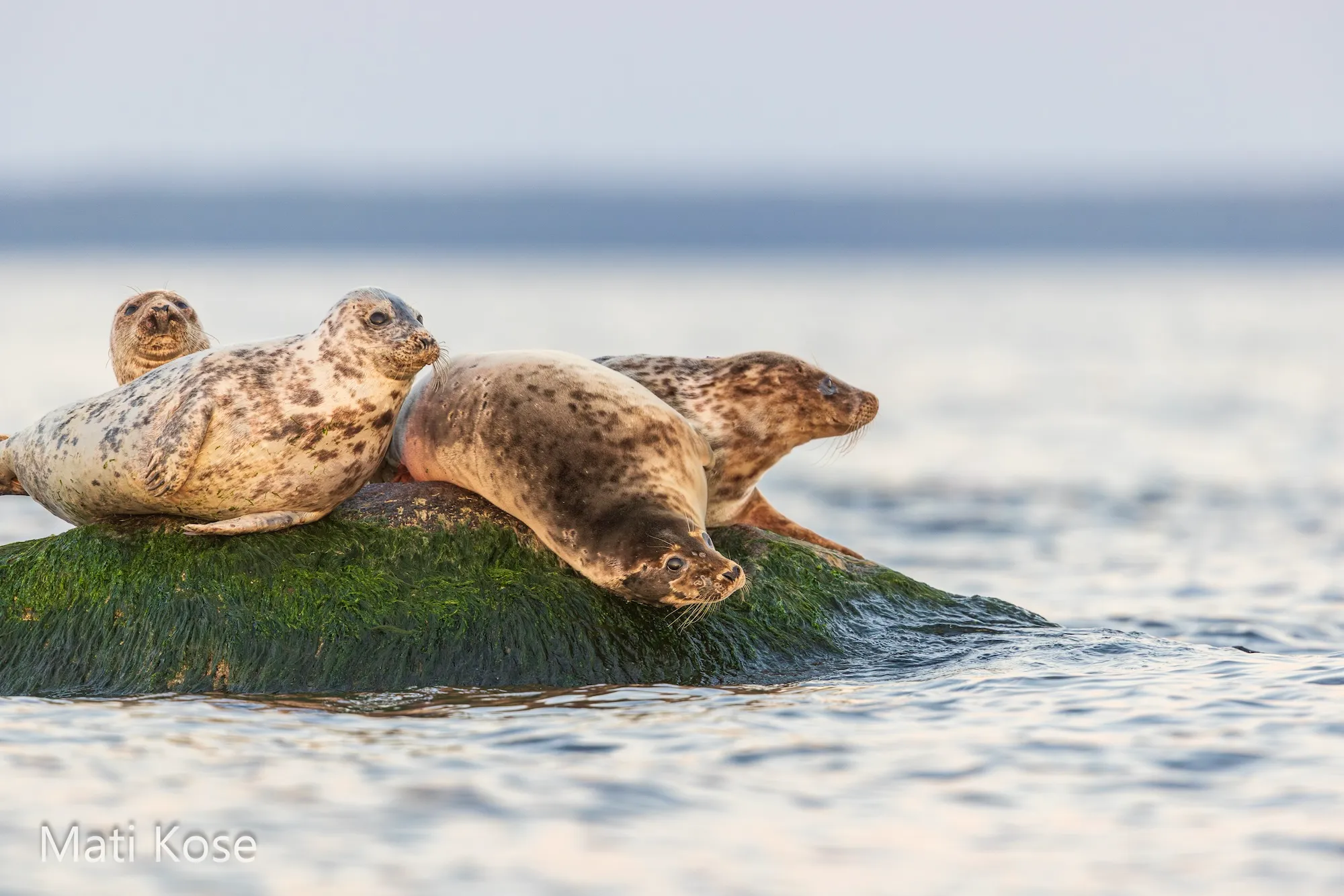
2. How many grey seals are there in the Baltic Sea?
It is estimated that there are approximately 25,000 grey seals in the Baltic Sea, with around 4,000 found in Estonia. However, there are just a couple of hundred ringed seals left in the Gulf of Finland.
3. Are the Baltic Sea seals becoming extinct?
Yes and no. The grey seal is doing quite well, and its population has been growing every year. The Baltic Sea ringed seal population, however, is declining rapidly, with a real chance of disappearing in the future. Some of the reasons for this are pollution in the Baltic Sea and relatively warm winters.
4. When are the seal pups born?
The grey seal and the ringed seal in the Baltic Sea are born from February to March. This is also the time when, by law, it is not allowed to approach the seals’ breeding grounds. A grey seal pup weighs about 10 kg (22 lbs) at birth, but gains 2 kg (4.5 lbs) of weight every day during the lactation period.
5. What do the seals eat?
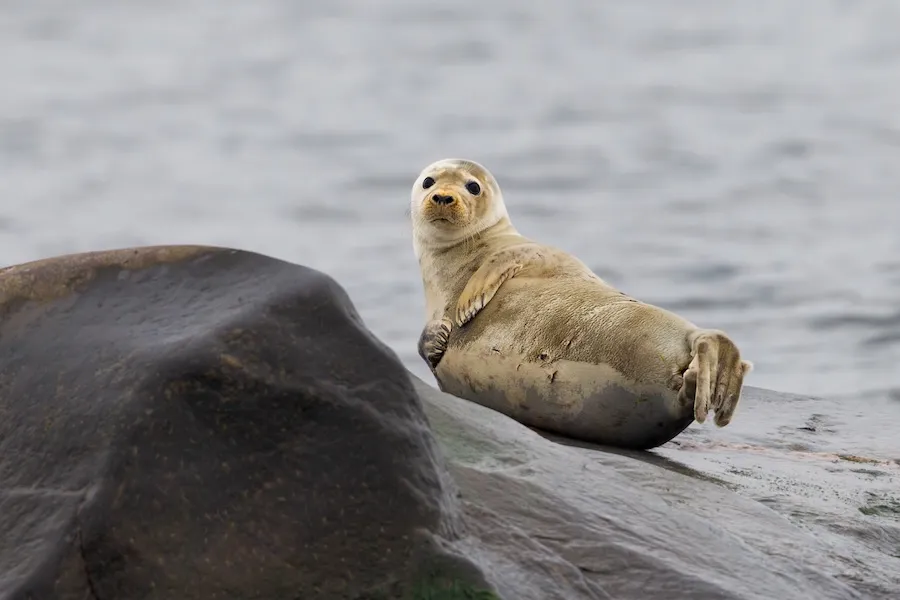
You might say they are fans of slow food, not in the sense of buying ecologically grown crops from a local farmer, but in the sense that they like their food swimming slowly and easy to catch. They eat fish, including flounder, cod, Baltic herring, whitefish, and sprat, with bonus points for the very fat ones. The seals often steal fish straight from the fishing nets. These guys are clever and devious. It is believed that a grown grey seal eats about 10 kg (22 lbs) of fish a day.
6. How big is a grey seal?
The grey seal is the biggest mammal in the Baltic Sea. A grown one might easily weigh more than 200 kg (441 lbs) and be 2.5 metres (8 ft) in length. They are huge. Come and see them with your own eyes on our seal-watching trip.
7. How and where do seals sleep?
They have this exceptional ability to sleep in the water. They look like massive 200 kg (441 lbs) bottles, their entire bodies submerged, with only their noses exposed for breathing. They sleep about six hours a day, though not continuously.
8. How long can a seal live up to?
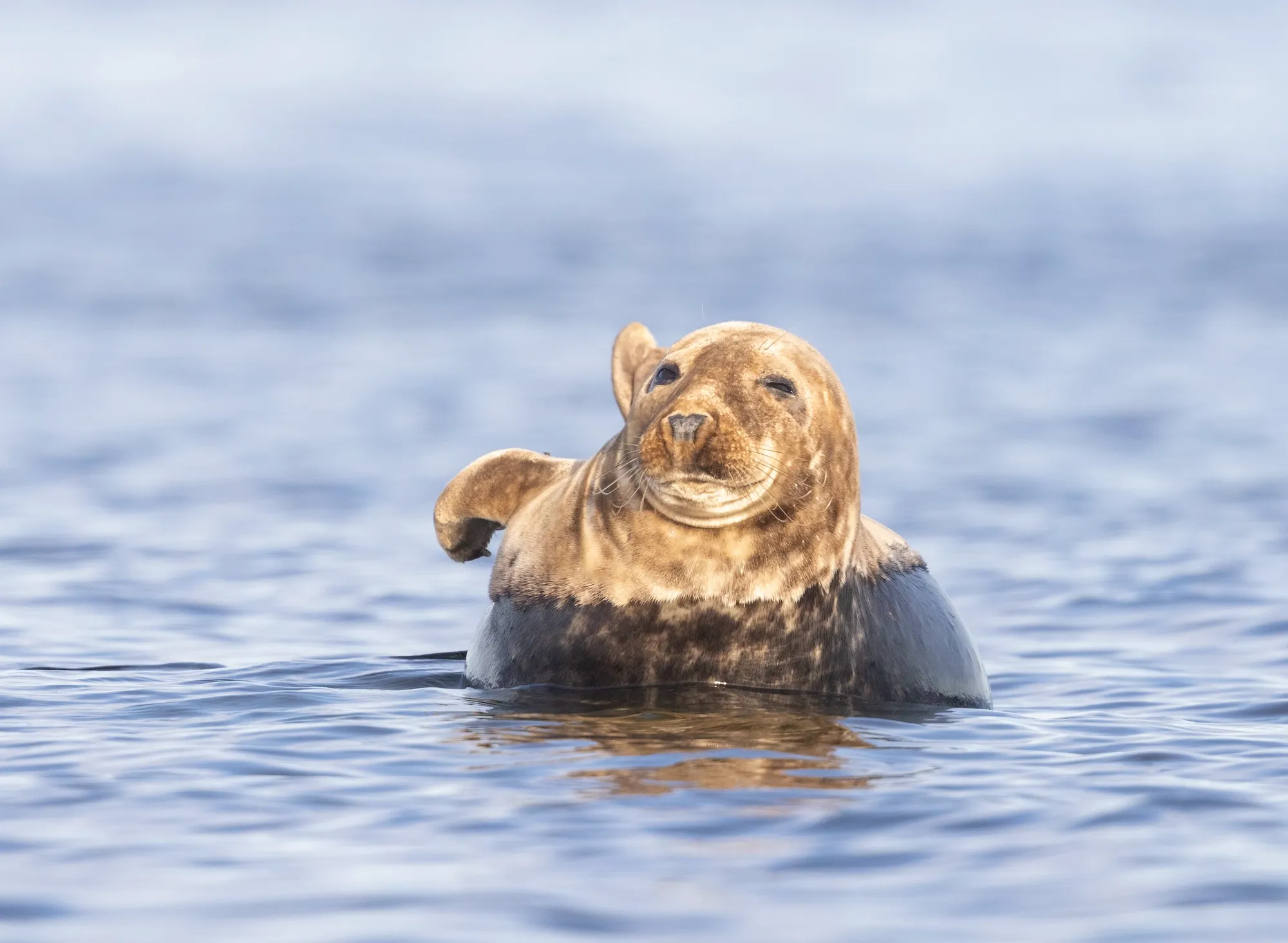
In their natural habitat, seals live about 35 years, but in zoos they live around 10 years longer.
9. Is it true that seals like classical music?
It is. An Estonian family, the Aksbergs, discovered it years ago. Every time we go on our seal-watching trip, we offer the seals a concert of Beethoven, Debussy, or Mozart. No wonder they always show up – some free entertainment, after all. We have also tried it with The Doors and Jimi Hendrix, but it seems the seals are not big fans of old-school rock.
10. Are seals curious animals?
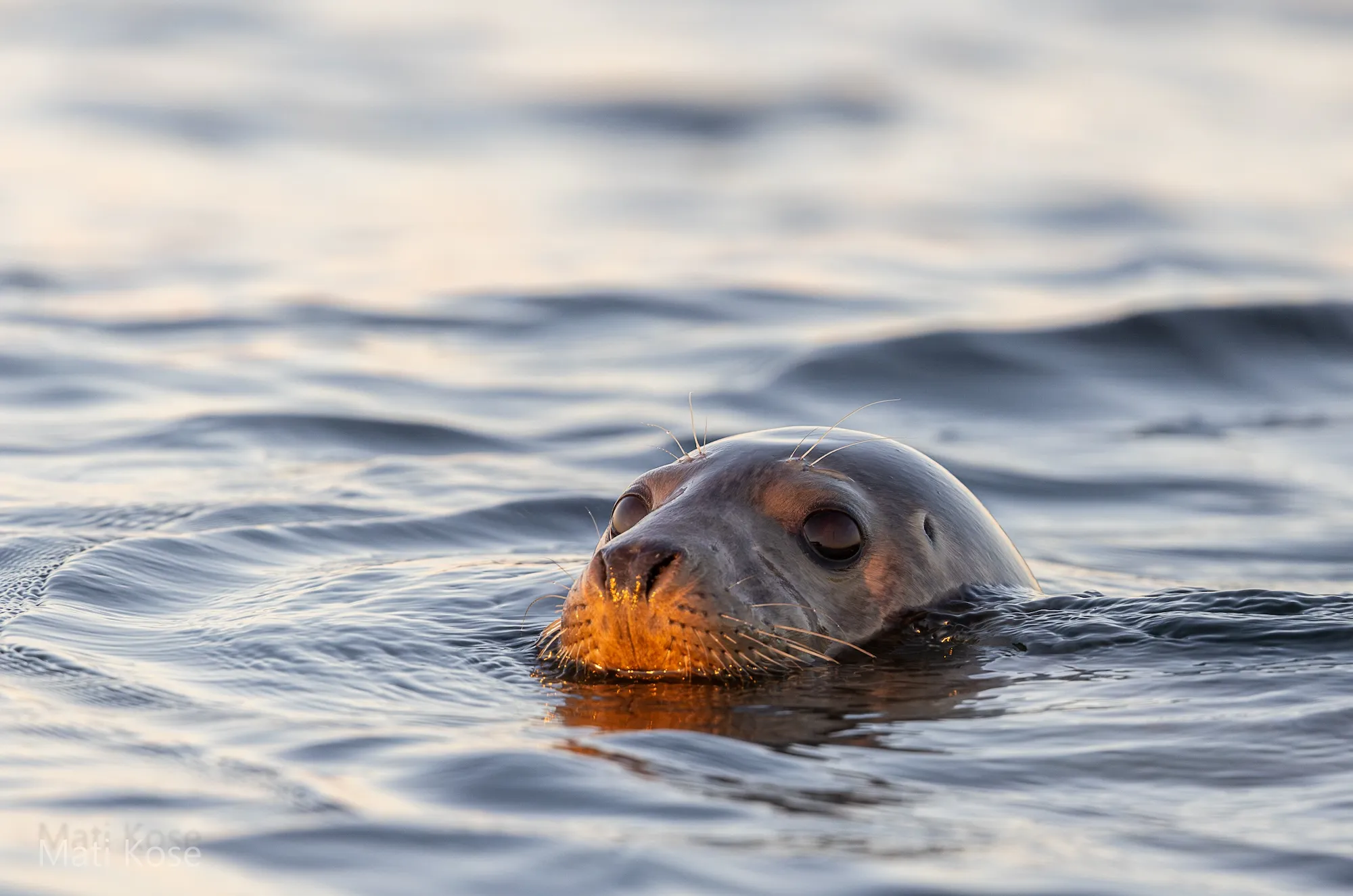
Just like humans, seals are curious animals too. Almost every time we go out, they pop their heads out of the water or chillax on the stones. Sometimes they even lurk under our boat to get a look at these odd-looking creatures standing on two legs. In fact, I think it is the other way around: we might think we are going on a seal-watching trip, while in reality it is a human-watching show.
11. What does the seal say when it runs into a wall?
Dam.
Good to know before your seal-watching trip
The regular Sunday trips run from July to September, and we can arrange a private trip on other dates between April and October. The tour lasts about 3-4 hours in total. Boats depart from Kaberneeme or Neeme harbour and head out to the Malusi Islands, where the grey seals rest on the rocks. If you are coming from the city, we can add a transfer from central Tallinn.
Dress warmer than you think, because it can be cold and windy out on the water even in summer, so bring a windproof layer and a hat. The trip works well for families: children are welcome, and the guide is happy to answer questions from younger wildlife watchers. You can check current prices, see available dates, and book on the seal-watching tour page.
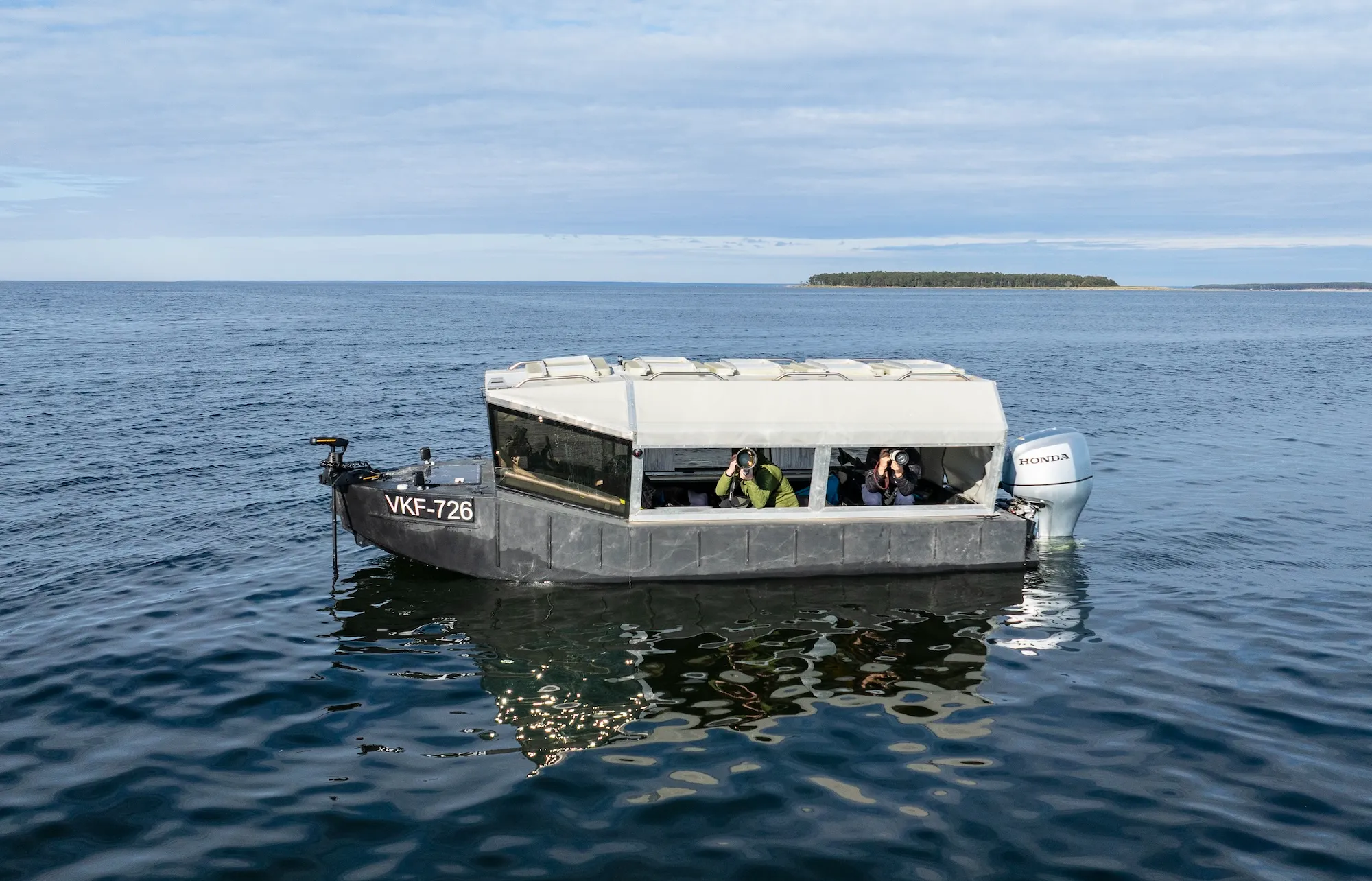
Come on a unique nature tour in Estonia, a regular seal-watching trip (aka. human-watching show for seals) to see these awesome mammals, have a memorable boat ride, and hear the stories and legends of the Estonian islands we are passing. Private tours on various dates are also available; please request them here. From 2025, we also offer seal-watching with a purpose-built wildlife-watching boat, more info here.
We know you want to come. Seal with it!